Best Protein Sources for Vegetarians: Evidence-Based Guide for Healthy Weight Loss
Discover the best protein sources for vegetarians, learn how much protein you need, bust common myths, and build satisfying, protein-rich meals that support healthy weight loss and overall wellness.
Click a star to rate
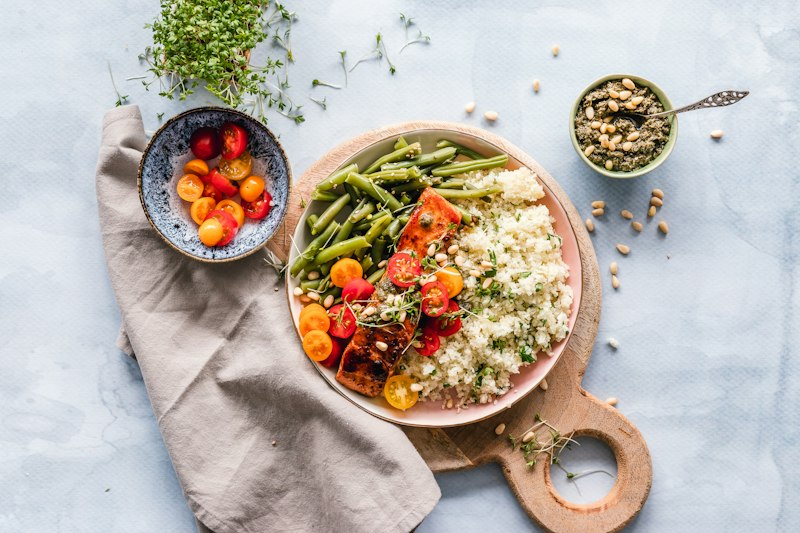
Protein is one of the most important nutrients for overall health, yet many people worry they cannot get enough of it on a vegetarian diet.
Fortunately, current nutrition research shows that a well-planned vegetarian eating pattern can easily provide enough protein for most healthy adults while supporting healthy weight management, muscle maintenance, and long-term wellness.
Instead of focusing on a single "superfood," successful vegetarian eating emphasizes variety. Foods such as legumes, soy products, dairy foods (if included), eggs, whole grains, nuts, and seeds all contribute valuable protein along with vitamins, minerals, fiber, and other beneficial nutrients.
Whether your goal is healthy weight loss, improved fitness, or simply eating more plant-based meals, understanding where protein comes from can help you make confident food choices.
Why Protein Matters
Protein is made up of amino acids that help build and repair tissues throughout the body.
Adequate protein intake supports many important functions including:
- •Maintaining muscle mass
- •Supporting exercise recovery
- •Producing enzymes and hormones
- •Supporting immune function
- •Helping meals feel satisfying
During weight loss, consuming enough protein becomes especially important because it helps preserve lean muscle while body fat is reduced.
How Much Protein Do Vegetarians Need?
For most healthy adults, protein recommendations are similar regardless of whether someone eats meat.
General guidelines suggest:
- •About 0.8 grams of protein per kilogram of body weight each day for most healthy adults.
- •Active individuals, older adults, or those trying to maintain muscle during weight loss may benefit from somewhat higher intakes based on their individual needs.
Rather than trying to eat a large amount at one meal, many nutrition professionals recommend spreading protein intake throughout the day.
Complete vs. Incomplete Proteins
One of the biggest myths surrounding vegetarian nutrition is that plant proteins are "incomplete."
While it is true that some plant foods contain lower amounts of certain essential amino acids, this does not mean vegetarian diets are deficient.
Current evidence suggests that eating a variety of protein-containing foods throughout the day provides all essential amino acids for most healthy adults.
You do not need to carefully combine proteins at every meal.
Soy foods, dairy products, eggs, and quinoa naturally contain all nine essential amino acids, while legumes, grains, nuts, and seeds complement one another as part of a varied diet.
Best Protein Sources for Vegetarians
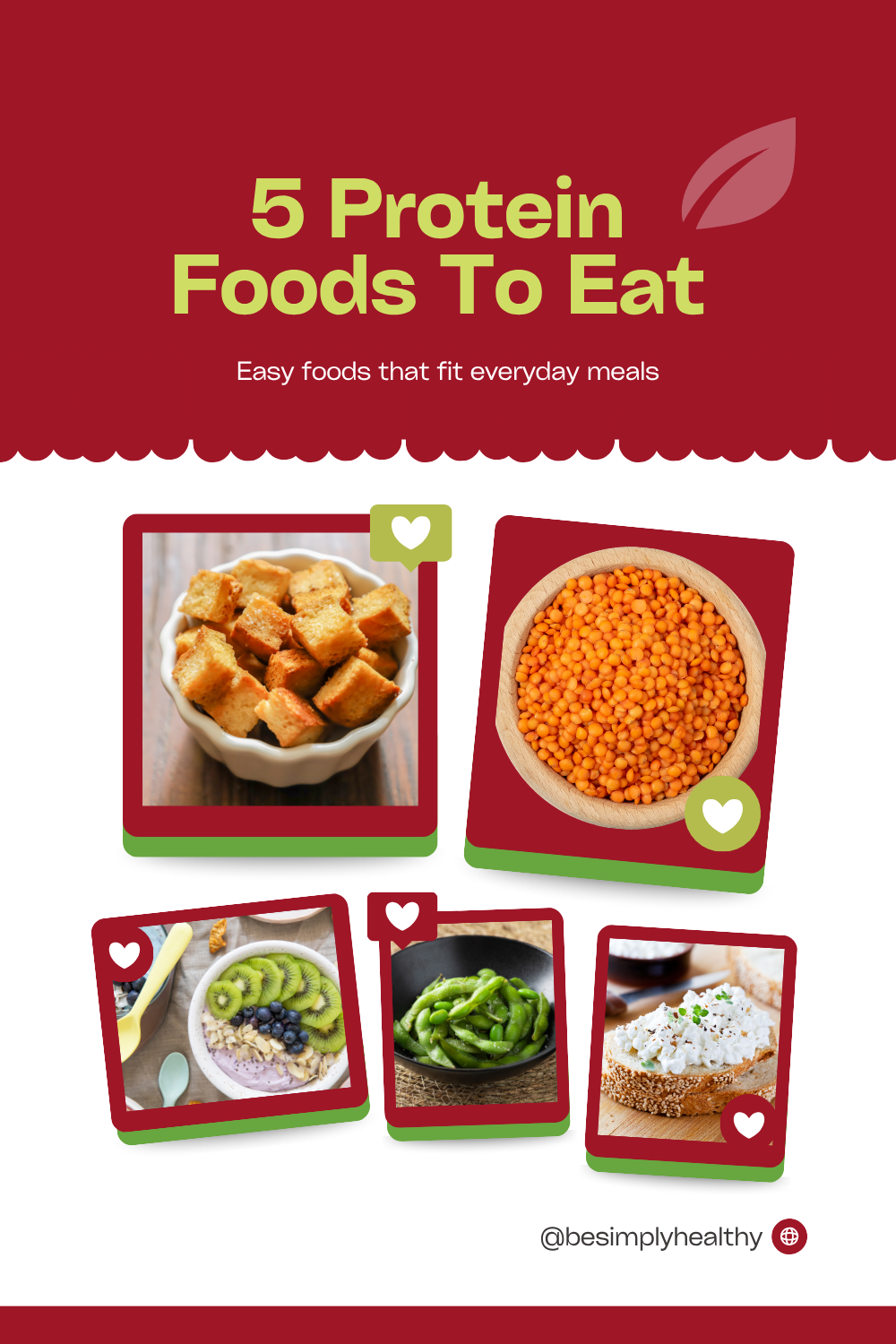
1. Tofu
Protein: Approximately 10–20 grams per serving depending on variety.
Benefits:
- •Complete protein
- •Versatile ingredient
- •Low in saturated fat
- •Rich in calcium when calcium-set
Ideas:
- •Stir-fries
- •Grain bowls
- •Salads
- •Scrambles
2. Tempeh
Protein: Approximately 15–20 grams per serving.
Benefits:
- •Fermented soy food
- •Complete protein
- •Rich in fiber
- •Firm texture
Ideas:
- •Sandwiches
- •Grain bowls
- •Stir-fries
- •Salads
3. Edamame
Protein: Approximately 17 grams per cooked cup.
Benefits:
- •Whole soybeans
- •Complete protein
- •High fiber
- •Excellent snack
Ideas:
- •Salads
- •Rice bowls
- •Snacks
- •Soups
4. Lentils
Protein: Approximately 18 grams per cooked cup.
Benefits:
- •Excellent protein source
- •Rich in fiber
- •Budget friendly
- •Highly filling
Ideas:
- •Soups
- •Curries
- •Salads
- •Meal prep
5. Chickpeas
Protein: Approximately 14–15 grams per cooked cup.
Benefits:
- •High protein
- •High fiber
- •Very versatile
Ideas:
- •Hummus
- •Roasted snacks
- •Salads
- •Wraps
6. Black Beans
Protein: Approximately 15 grams per cooked cup.
Benefits:
- •Affordable
- •High fiber
- •Supports satisfying meals
Ideas:
- •Burrito bowls
- •Chili
- •Salads
- •Tacos
7. Greek Yogurt
Protein: Approximately 15–20 grams per serving depending on the product.
Benefits:
- •High-quality complete protein
- •Convenient breakfast
- •Rich in calcium
Ideas:
- •Breakfast parfait
- •Smoothies
- •Fruit bowls
- •Snacks
8. Cottage Cheese
Protein: Approximately 24 grams per cup.
Benefits:
- •Rich in protein
- •Filling snack
- •Easy to prepare
Ideas:
- •Fruit bowls
- •Toast
- •Salads
- •Breakfast
9. Eggs (If Included)
Protein: Approximately 6–7 grams per large egg.
Benefits:
- •Complete protein
- •Naturally rich in several vitamins and minerals
- •Affordable
- •Versatile for many meals
Ideas:
- •Omelets
- •Boiled eggs
- •Egg sandwiches
- •Salads
10. Quinoa
Protein: Approximately 8 grams per cooked cup.
Benefits:
- •Complete protein
- •Whole grain
- •Rich in fiber
- •Good source of magnesium
Ideas:
- •Grain bowls
- •Side dishes
- •Salads
- •Breakfast bowls
11. Seitan
Protein: Approximately 20–25 grams per serving.
Benefits:
- •One of the highest-protein vegetarian foods
- •Meat-like texture
- •Versatile for cooking
- •Low in fat
Note:
Seitan contains gluten and is not suitable for people with celiac disease or gluten sensitivity.
Ideas:
- •Stir-fries
- •Sandwiches
- •Wraps
- •Skewers
12. Soy Milk
Protein: Approximately 7–8 grams per cup.
Benefits:
- •Protein content similar to dairy milk
- •Often fortified with calcium and vitamin D
- •Easy addition to smoothies and cereal
Ideas:
- •Smoothies
- •Oatmeal
- •Coffee
- •Breakfast cereal
13. Hemp Seeds
Protein: Approximately 10 grams per 3 tablespoons.
Benefits:
- •Complete protein
- •Rich in healthy unsaturated fats
- •Excellent source of magnesium
Ideas:
- •Yogurt
- •Oatmeal
- •Smoothies
- •Salads
14. Pumpkin Seeds
Protein: Approximately 8–9 grams per ounce.
Benefits:
- •Rich in magnesium
- •Convenient snack
- •Adds crunch to meals
- •Contains healthy fats
Ideas:
- •Trail mix
- •Salads
- •Yogurt
- •Oatmeal
15. Peanuts and Peanut Butter
Protein: Approximately 7–8 grams per 2 tablespoons of peanut butter.
Benefits:
- •Budget friendly
- •Rich in plant protein
- •Contains heart-healthy unsaturated fats
- •Easy to include in snacks and meals
Ideas:
- •Whole-grain toast
- •Apple slices
- •Smoothies
- •Homemade peanut sauce
💡 Recommended Product: Want a little protein boost? Try these delicious powders! Simply Peanut is gluten-free, dairy-free, and soy-free but not taste-free, with 9 grams of protein in one serving
View on Amazon →Protein-Rich Vegetarian Meal Ideas
Breakfast
Greek yogurt with berries, chia seeds, and walnuts.
Lunch
Lentil salad with colorful vegetables and quinoa.
Snack
Apple slices with natural peanut butter or cottage cheese with fruit.
Dinner
Tofu stir-fry with broccoli, brown rice, and edamame.
Dessert
Greek yogurt with cinnamon and berries.
These meals provide protein along with fiber, vitamins, minerals, and healthy fats that support overall diet quality.
Common Protein Myths
Myth 1: Vegetarians Cannot Get Enough Protein
Reality:
Well-planned vegetarian diets can provide adequate protein for most healthy adults.
Myth 2: Plant Proteins Don't Count
Reality:
Plant proteins contribute to total daily protein intake and can fully support health when a variety of foods are consumed.
Myth 3: You Must Combine Proteins at Every Meal
Reality:
Current evidence suggests that consuming a variety of protein-containing foods throughout the day is generally sufficient.
Myth 4: Protein Powders Are Necessary
Reality:
Most vegetarians can meet their protein needs through whole foods.
Protein powders may be convenient for some people but are not required for a healthy diet.
Tips for Eating More Protein
Include Protein at Every Meal
Aim to include at least one protein-rich food whenever you eat.
Choose Whole Foods First
Whole foods provide protein along with fiber, vitamins, minerals, and beneficial plant compounds.
Plan Ahead
Meal preparation makes it easier to include protein-rich foods throughout the week.
Read Nutrition Labels
Protein content varies among packaged foods, so checking labels can help when comparing options.
Pair Protein with Fiber
Meals that combine protein-rich foods with vegetables, fruits, legumes, and whole grains tend to be more satisfying. ## FAQ
What are the best protein sources for vegetarians?
Some of the highest-protein vegetarian foods include tofu, tempeh, edamame, lentils, chickpeas, black beans, Greek yogurt, cottage cheese, eggs (if included), seitan, quinoa, hemp seeds, and soy milk.
Can vegetarians build muscle?
Yes. Building muscle depends on consuming enough total protein, following a progressive resistance training program, and eating enough total calories to support training and recovery.
Do I need protein powder?
Most healthy vegetarians can meet their protein needs through whole foods. Protein powders can be a convenient option for busy schedules but are not essential.
Is soy healthy?
Current evidence indicates that moderate consumption of minimally processed soy foods such as tofu, tempeh, edamame, and soy milk is safe for most people and can be part of a healthy dietary pattern.
Should I eat protein after exercise?
Eating protein after exercise can support muscle protein synthesis and recovery. However, total daily protein intake is generally more important than consuming protein at a specific time.
Conclusion
A vegetarian diet can provide all the protein most healthy adults need while also delivering fiber, vitamins, minerals, and many other beneficial nutrients.
Foods such as tofu, tempeh, lentils, chickpeas, beans, Greek yogurt, cottage cheese, eggs, quinoa, soy milk, hemp seeds, pumpkin seeds, and seitan make it easy to build balanced meals that support healthy weight management and overall wellness.
Rather than worrying about individual foods being "perfect," focus on eating a variety of protein-rich foods throughout the day. This simple approach is supported by current nutrition evidence and can help you build sustainable eating habits for the long term.
For more evidence-based nutrition guides, healthy meal ideas, and practical weight-management strategies, explore our complete collection of science-backed resources on our website.
Comments (0)
Share your thoughts and experiences
No comments yet. Be the first to share your thoughts!