
Does Walking Help Reduce Visceral Fat? Evidence-Based Guide
Learn whether walking helps reduce visceral fat, how much walking is needed, why belly fat behaves differently, and practical strategies supported by current scientific evidence.
Click a star to rate
Walking is often overlooked because it feels too simple to make a difference. Many people believe only intense workouts can reduce stubborn belly fat, especially the deeper fat surrounding the internal organs known as visceral fat.
Fortunately, current scientific evidence tells a different story.
Regular walking can play an important role in reducing visceral fat when combined with healthy eating habits and a sustainable lifestyle. While walking is not a magic solution, it is one of the safest, most accessible, and easiest forms of physical activity for beginners.
Unlike extreme exercise programs that many people abandon after a few weeks, walking is a habit that can be maintained for years. Consistency is one of the biggest factors influencing long-term fat loss and overall health.
Quick Answer
Yes. Walking can help reduce visceral fat, especially when performed consistently alongside a calorie-controlled eating pattern and other healthy lifestyle habits.
Research shows that moderate-intensity aerobic exercise—including brisk walking—can reduce visceral fat even when changes on the scale are relatively modest. Walking also supports heart health, improves insulin sensitivity, lowers blood pressure, enhances mood, and increases daily energy expenditure.
Results vary depending on factors such as age, starting fitness level, diet quality, sleep, stress management, and overall physical activity.
What Is Visceral Fat?
Not all body fat is the same.
Visceral fat is stored deep inside the abdomen, surrounding organs such as the liver, pancreas, and intestines. This differs from subcutaneous fat, which sits directly beneath the skin.
Although some visceral fat is necessary for cushioning internal organs, excessive amounts are associated with increased health risks.
Higher levels of visceral fat have been linked with:
- •Type 2 diabetes
- •Cardiovascular disease
- •High blood pressure
- •Insulin resistance
- •Fatty liver disease
- •Metabolic syndrome
Unlike subcutaneous fat, visceral fat is metabolically active. It releases hormones and inflammatory substances that can negatively influence blood sugar regulation, cholesterol levels, and overall metabolic health.
Because visceral fat cannot usually be measured by simply pinching the skin, waist circumference is often used as a practical screening tool in clinical settings.
Why Walking Can Target Visceral Fat
Walking burns calories, but its benefits extend well beyond calorie expenditure alone.
Regular walking influences several biological processes associated with visceral fat reduction.
Increased Daily Energy Expenditure
Every walk contributes to your total daily calorie burn.
Although a single walk may not burn hundreds of calories, consistent movement performed most days of the week can create a meaningful calorie deficit over time.
Small, sustainable habits often outperform extreme exercise routines that are difficult to maintain.
Improved Insulin Sensitivity
Regular aerobic activity helps muscles use glucose more efficiently.
Better insulin sensitivity may reduce the body's tendency to store excess energy around the abdominal organs while supporting healthier blood sugar regulation.
Lower Chronic Inflammation
Excess visceral fat contributes to chronic low-grade inflammation.
Consistent physical activity has been associated with reductions in inflammatory markers, supporting overall metabolic health and lowering disease risk.
Better Fat Oxidation
During moderate-intensity walking, the body uses a mixture of carbohydrates and fat for energy.
Over weeks and months of regular training, the body's ability to utilize fat efficiently generally improves.
Reduced Sedentary Time
Long periods of sitting are associated with poorer metabolic health.
Adding frequent walks throughout the day helps interrupt prolonged sedentary behavior and increases overall daily movement.
What Does the Research Say?
A substantial body of evidence supports aerobic exercise for reducing visceral fat.
Systematic reviews and meta-analyses consistently report that moderate aerobic exercise can significantly reduce visceral adipose tissue, even without dramatic weight loss.
Brisk walking has been included in many of these interventions because it is practical, inexpensive, and appropriate for most adults.
Health organizations including the World Health Organization and the American College of Sports Medicine recommend regular moderate-intensity aerobic activity as part of a healthy lifestyle to improve metabolic health and reduce chronic disease risk.
Current evidence also suggests that combining aerobic exercise with resistance training provides additional benefits for preserving muscle mass while losing fat.
How Much Walking Is Needed?
There is no universal number of steps that guarantees visceral fat loss.
Instead, consistency and total weekly activity matter most.
General evidence-based recommendations include:
- •At least 150 minutes of moderate-intensity aerobic activity each week
- •Greater benefits may occur with 300 minutes weekly
- •Muscle-strengthening activities at least twice per week
- •Limiting prolonged sitting whenever possible
For many beginners, this can be achieved by walking:
- •30 minutes per day
- •Five days each week
Some people may prefer shorter sessions, such as:
- •Three 10-minute walks
- •Two 15-minute walks
- •One longer evening walk
The best walking routine is the one you can realistically maintain over the long term.
Does Walking Need to Be Fast?
Intensity influences calorie expenditure, but faster is not always better.
Brisk walking generally provides greater cardiovascular benefits than slow strolling. A simple guideline is the "talk test."
During moderate-intensity walking:
- •You can talk comfortably.
- •Singing becomes difficult.
- •Your breathing is noticeably faster than normal.
If you're new to exercise, beginning with comfortable-paced walks and gradually increasing speed and duration is a safe approach.
Walking Alone Is Usually Not Enough
Although walking is highly beneficial, visceral fat loss depends primarily on long-term energy balance.
If calorie intake consistently exceeds calorie expenditure, walking alone may not produce significant reductions in abdominal fat.
For best results, combine walking with:
- •Protein-rich meals
- •High-fiber foods
- •Plenty of fruits and vegetables
- •Whole grains
- •Adequate sleep
- •Stress management
- •Resistance exercise
These habits work together to create an environment that supports sustainable fat loss rather than quick but temporary results.
Common Myths About Walking and Belly Fat
Myth 1: Walking Only Burns Leg Fat
Reality:
Fat cannot be selectively burned from one body area through specific exercises.
Walking encourages overall fat loss, and visceral fat often decreases as total body fat decreases.
Myth 2: You Must Walk 10,000 Steps Every Day
Reality:
The popular 10,000-step target is motivational rather than a medical requirement.
Health improvements can occur well below this number, especially for previously inactive adults.
Myth 3: Sweating Means You're Burning More Belly Fat
Reality:
Sweat reflects body temperature regulation rather than fat loss.
You can have an effective walking session even in cooler weather with minimal sweating. ## How Long Does It Take to Lose Visceral Fat?
One of the most common questions is how quickly walking produces noticeable results.
The honest answer is that it varies.
Factors that influence progress include:
- •Starting weight
- •Current visceral fat level
- •Nutrition habits
- •Walking frequency
- •Walking intensity
- •Sleep quality
- •Stress levels
- •Medical conditions
- •Medications
Many exercise studies last between 8 and 24 weeks because meaningful reductions in visceral fat generally occur gradually.
Instead of focusing only on the bathroom scale, watch for improvements such as:
- •Smaller waist circumference
- •Better endurance
- •Improved energy
- •Easier daily movement
- •Better blood sugar control
- •Lower blood pressure (when applicable)
These improvements often appear before dramatic changes in body weight.
Ways to Make Walking More Effective
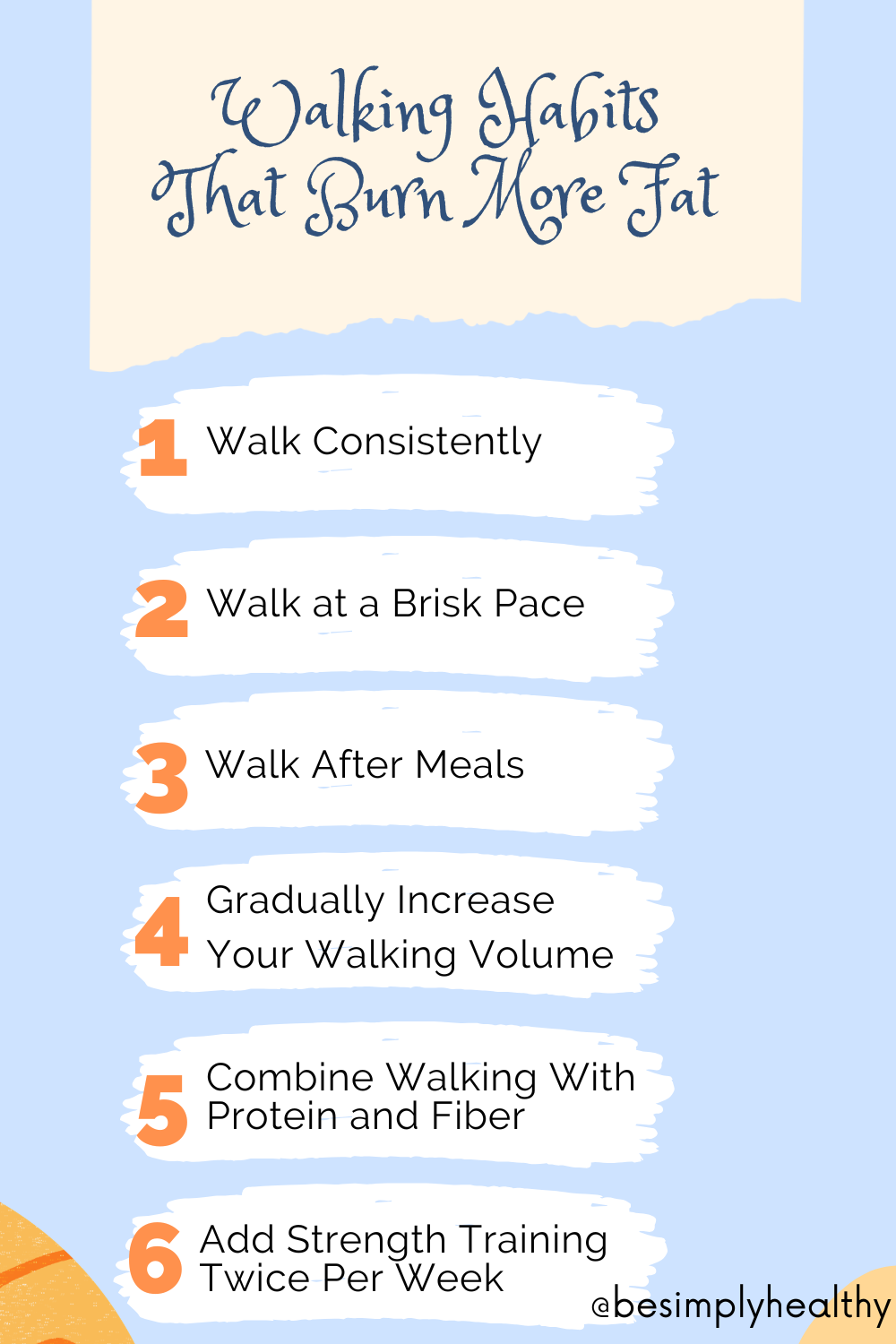
Walking is highly adaptable, making it easier to build into everyday life.
Walk After Meals
A short walk after eating may help improve post-meal blood sugar control while increasing total daily activity.
Even 10 to 15 minutes can contribute to overall movement goals.
Increase Your Pace Gradually
As fitness improves, increase your walking speed or include gentle hills.
Progressive overload applies to walking just as it does to strength training.
Add Intervals
Alternating faster walking with comfortable recovery periods can increase cardiovascular fitness and calorie expenditure.
Example:
- •Walk briskly for 1 minute.
- •Recover at an easier pace for 2 minutes.
- •Repeat several times.
Beginners should increase intensity gradually.
Walk More Frequently
Instead of relying on one long walk, look for opportunities to move throughout the day.
Examples include:
- •Walking during lunch breaks
- •Parking farther away
- •Taking stairs when appropriate
- •Walking while talking on the phone
- •Short evening walks after dinner
These small habits can substantially increase weekly activity.
Include Strength Training
Walking preserves health, but resistance training helps maintain muscle during weight loss.
Maintaining muscle supports metabolism, physical function, and healthy aging.
A combination of aerobic exercise and strength training is recommended for most adults.
Sample Beginner Walking Plan
Week 1–2
- •Walk 20 minutes
- •Four days each week
- •Comfortable pace
Week 3–4
- •Walk 30 minutes
- •Five days each week
- •Slightly brisk pace
Week 5–6
- •Walk 35–40 minutes
- •Five days each week
- •Include several short brisk intervals
Week 7 and Beyond
- •Aim for 150–300 minutes of walking weekly
- •Add two weekly strength-training sessions
- •Continue increasing duration or pace as tolerated
Remember that consistency matters far more than perfection.
Missing one walk does not erase progress.
Who Benefits Most?
Walking is particularly helpful for:
- •Beginners starting a weight-loss journey
- •Adults with sedentary jobs
- •Older adults
- •Individuals returning to exercise after a break
- •People managing obesity
- •Those seeking a low-impact activity
Because walking places relatively little stress on the joints compared with running, many people find it easier to maintain over time.
Individuals with medical conditions, chronic pain, or balance problems should discuss new exercise routines with a qualified healthcare professional.
Common Mistakes That Slow Progress
Many people unknowingly reduce the effectiveness of their walking routine.
Common mistakes include:
Expecting Spot Reduction
No exercise specifically burns belly fat first.
Fat loss occurs throughout the body according to genetics and physiology.
Ignoring Nutrition
Walking cannot completely offset a consistently excessive calorie intake.
Healthy eating remains essential for reducing visceral fat.
Being Inconsistent
Walking once or twice a week provides fewer benefits than moderate activity performed regularly.
Consistency builds lasting results.
Increasing Too Much Too Soon
Doing too much too quickly may increase soreness or injury risk.
Gradual progression is usually the safest strategy.
Sitting the Rest of the Day
Even if you exercise, spending most of the remaining day sitting may reduce some metabolic benefits.
Aim to move regularly throughout the day whenever possible.
Frequently Asked Questions
Can walking reduce belly fat without dieting?
Walking may contribute to fat loss, but combining regular physical activity with a nutritious eating pattern generally produces better results than either strategy alone.
Is brisk walking better than slow walking?
Brisk walking typically burns more calories in the same amount of time and improves cardiovascular fitness, although any increase in physical activity is beneficial.
Is walking every day necessary?
Daily walking is not required.
Meeting weekly activity recommendations consistently is more important than exercising every single day.
Can older adults lose visceral fat by walking?
Yes.
Walking is one of the safest and most accessible forms of exercise for many older adults and can improve overall health when performed regularly.
Should I walk before or after eating?
Both options can be beneficial.
Some evidence suggests that walking after meals may improve blood sugar control, but the best time is whichever fits your schedule consistently.
Key Takeaways
- •Walking is an effective, evidence-based way to help reduce visceral fat.
- •Consistency matters more than intensity alone.
- •Combining walking with nutritious eating habits produces better long-term results.
- •Walking supports heart health, blood sugar control, mental well-being, and overall fitness in addition to fat loss.
- •Sustainable lifestyle habits outperform short-term extreme programs.
Conclusion
Walking may seem simple, but simple habits practiced consistently often deliver the greatest long-term health benefits.
Current scientific evidence supports walking as an effective way to reduce visceral fat when combined with healthy nutrition, adequate sleep, stress management, and regular strength training.
Rather than searching for a quick fix, focus on building a routine you can maintain for months and years. A daily walk may not transform your health overnight, but over time it can become one of the most powerful habits for improving metabolic health, supporting healthy weight management, and reducing the risks associated with excess visceral fat.
If you're looking for more evidence-based strategies, explore our related guides on healthy weight management, high-fiber foods, protein-rich meals, and sustainable exercise routines to build a lifestyle that supports lasting results.
Comments (0)
Share your thoughts and experiences
No comments yet. Be the first to share your thoughts!