
Healthy Sources of Magnesium: Evidence-Based Guide to the Best Magnesium-Rich Foods
Discover the healthiest sources of magnesium, the best magnesium-rich foods, recommended daily intake, deficiency symptoms, and practical meal ideas. Learn what current science says about magnesium and healthy eating.
Click a star to rate
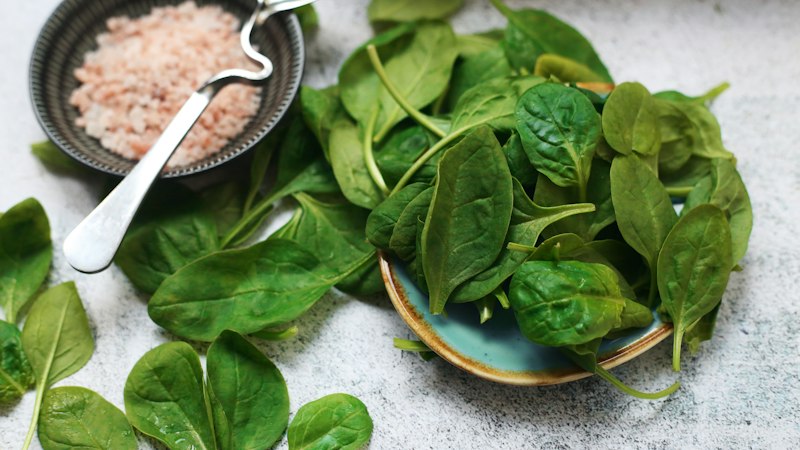
Magnesium is an essential mineral that helps keep your body functioning properly every day. It supports hundreds of biochemical reactions involved in muscle contraction, nerve signaling, energy production, bone health, and normal heart function.
Despite its importance, many adults do not consume enough magnesium from their diets. Fortunately, improving your intake is usually as simple as eating a wider variety of nutrient-rich whole foods.
If your goal is better overall health or sustainable weight management, focusing on magnesium-rich foods can improve the quality of your diet while also providing fiber, vitamins, minerals, and beneficial plant compounds.
Rather than searching for a miracle supplement, start by filling your plate with foods that naturally contain magnesium.
What Is Magnesium?
Magnesium is an essential mineral found in many plant and animal foods.
Your body cannot produce magnesium on its own, so it must come from food or, in some situations, dietary supplements.
According to the National Institutes of Health Office of Dietary Supplements, magnesium participates in more than 300 enzyme reactions throughout the body.
It helps support:
- •Normal muscle function
- •Healthy nerve signaling
- •Protein synthesis
- •Energy production
- •Bone health
- •DNA and RNA synthesis
- •Normal blood glucose regulation
- •Healthy blood pressure regulation
Because magnesium contributes to so many body systems, regularly eating magnesium-rich foods is an important part of a balanced diet.
Why Magnesium Matters
Magnesium works quietly behind the scenes, yet it plays a role in many everyday functions.
Muscle Function
Magnesium helps muscles contract and relax normally.
This is one reason athletes and physically active adults are encouraged to consume adequate amounts through a balanced diet.
Energy Production
Every cell in your body requires energy.
Magnesium helps convert carbohydrates, fats, and proteins into usable energy through normal metabolic processes.
Bone Health
Many people associate bone health only with calcium and vitamin D.
However, magnesium is also found in bones and contributes to maintaining normal bone structure.
A healthy dietary pattern typically includes all three nutrients rather than focusing on just one.
Nervous System Support
Magnesium helps regulate communication between nerves and muscles.
Adequate intake supports normal nervous system function throughout life.
Heart Health
Magnesium contributes to normal muscle contraction—including the heart muscle.
Current evidence suggests that diets naturally rich in magnesium-containing foods are associated with overall healthy dietary patterns that support cardiovascular health.
Can Magnesium Help With Weight Loss?
This is one of the most common questions people ask online.
The short answer is:
No.
Current scientific evidence does not support magnesium as a fat-burning nutrient or weight-loss supplement.
Magnesium does not directly increase fat burning or cause rapid weight loss.
However, magnesium-rich foods may indirectly support healthy weight management because many of these foods are:
- •High in fiber
- •Rich in plant protein
- •Nutrient dense
- •Filling
- •Minimally processed
Examples include:
- •Beans
- •Lentils
- •Pumpkin seeds
- •Whole grains
- •Vegetables
- •Nuts
These foods can help create satisfying meals that support healthy eating habits over the long term.
Instead of viewing magnesium as a weight-loss shortcut, think of it as one important nutrient found in foods that contribute to an overall healthy dietary pattern.
Healthy Sources of Magnesium
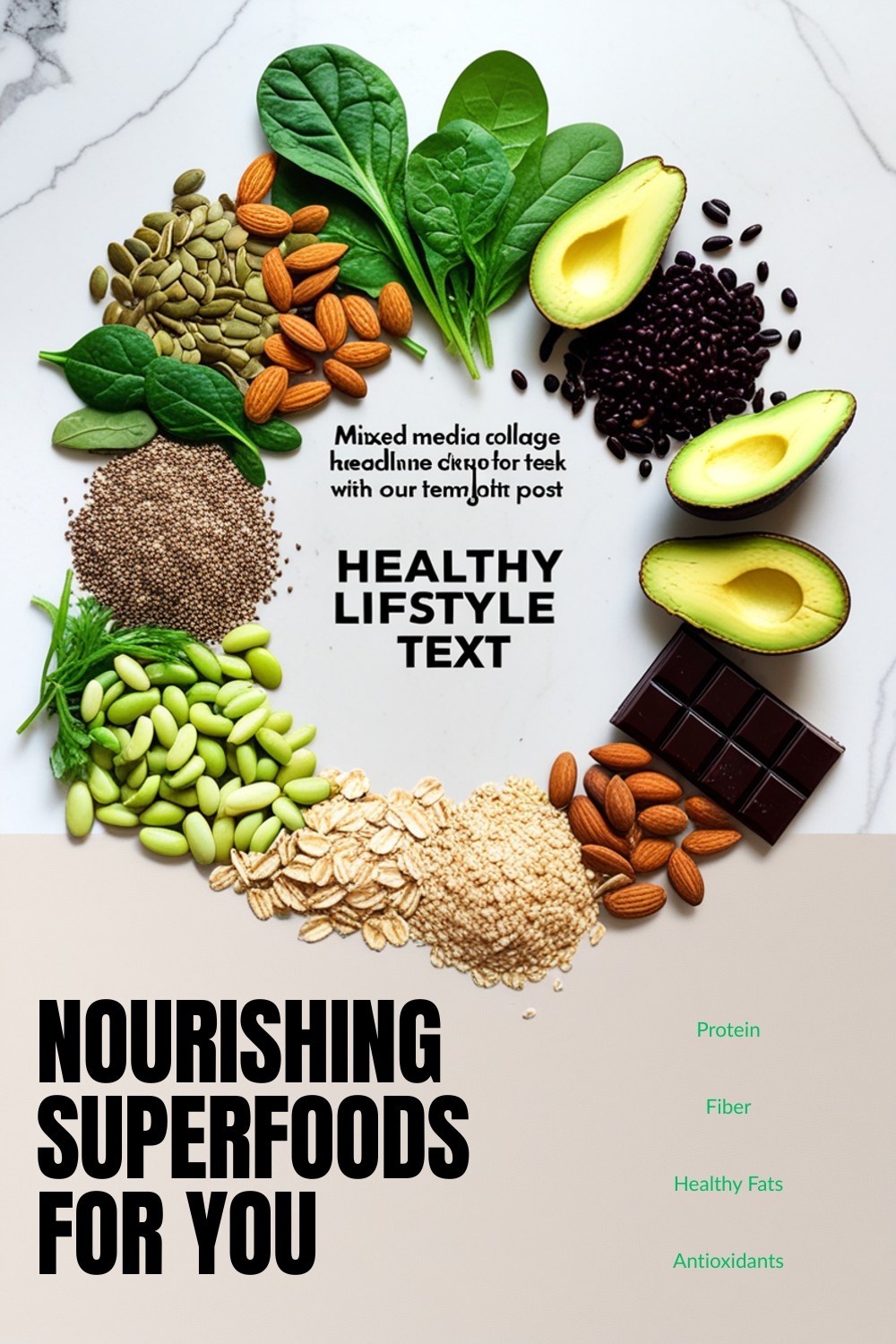
Many whole foods naturally provide magnesium while also delivering other beneficial nutrients.
Below are some of the best food sources.
1. Pumpkin Seeds
Pumpkin seeds are among the richest natural food sources of magnesium.
Benefits include:
- •Excellent magnesium source
- •High in healthy fats
- •Contains plant protein
- •Rich in iron and zinc
Easy ways to eat them:
- •Sprinkle on oatmeal
- •Add to yogurt
- •Toss into salads
- •Enjoy as a snack
2. Chia Seeds
Chia seeds provide magnesium along with fiber and omega-3 fats.
Benefits:
- •High fiber
- •Easy to add to meals
- •Supports healthy eating patterns
Ideas:
- •Overnight oats
- •Smoothies
- •Yogurt
- •Pudding
3. Spinach
Leafy green vegetables are excellent magnesium sources.
Spinach is especially nutrient dense.
Benefits include:
- •Magnesium
- •Folate
- •Vitamin K
- •Vitamin A
Ways to enjoy spinach:
- •Salads
- •Smoothies
- •Omelets
- •Soups
4. Almonds
Almonds are a convenient snack that naturally contains magnesium.
Benefits:
- •Healthy unsaturated fats
- •Plant protein
- •Fiber
- •Vitamin E
Keep portions moderate since nuts are energy dense.
5. Cashews
Cashews provide magnesium along with copper and healthy fats.
Ideas:
- •Trail mix
- •Stir-fries
- •Snacks
- •Homemade sauces
6. Black Beans
Beans are nutritional powerhouses.
Black beans provide:
- •Magnesium
- •Fiber
- •Plant protein
- •Iron
Meal ideas:
- •Burrito bowls
- •Chili
- •Salads
- •Soups
7. Edamame
Edamame offers magnesium together with high-quality plant protein.
Serve as:
- •Snack
- •Side dish
- •Grain bowl topping
- •Salad ingredient
8. Quinoa
Quinoa is a whole grain that naturally contains magnesium.
It also provides:
- •Protein
- •Fiber
- •Iron
Use quinoa instead of refined grains for extra nutritional value.
9. Oats
Oats contain magnesium and beta-glucan, a soluble fiber associated with heart health.
Enjoy them as:
- •Oatmeal
- •Overnight oats
- •Smoothies
- •Homemade energy bites
10. Avocados
Avocados contribute magnesium along with heart-healthy monounsaturated fats.
Try adding avocado to:
- •Toast
- •Salads
- •Sandwiches
- •Grain bowls
11. Dark Chocolate
Dark chocolate contains magnesium, especially varieties with a high cocoa content.
It can fit into a healthy eating pattern when enjoyed in moderation.
12. Lentils
Lentils provide a winning combination of:
- •Magnesium
- •Fiber
- •Plant protein
- •Folate
They are affordable, versatile, and easy to prepare.
Fruits That Contain Magnesium
Although fruits generally contain less magnesium than seeds and legumes, several contribute meaningful amounts.
Examples include:
- •Bananas
- •Avocados
- •Figs
- •Blackberries
- •Raspberries
- •Papaya
While bananas are commonly associated with magnesium, they are actually better known for potassium.
Many seeds, nuts, and legumes contain considerably more magnesium per serving.
Vegetables Rich in Magnesium
Vegetables should make up a regular part of any healthy eating plan.
Some of the best magnesium-rich vegetables include:
- •Spinach
- •Swiss chard
- •Kale
- •Beet greens
- •Okra
- •Broccoli
- •Brussels sprouts
- •Artichokes
Eating a variety of colorful vegetables helps increase magnesium while also improving overall diet quality.
How Much Magnesium Do Adults Need?
The Recommended Dietary Allowance (RDA) varies by age and sex.
General recommendations for healthy adults are:
- •Adult men (19–30 years): 400 mg per day
- •Adult men (31 years and older): 420 mg per day
- •Adult women (19–30 years): 310 mg per day
- •Adult women (31 years and older): 320 mg per day
Requirements increase during pregnancy and breastfeeding.
Most people can meet these recommendations through a balanced diet that includes vegetables, legumes, whole grains, nuts, and seeds.
Signs You May Not Be Getting Enough Magnesium
True magnesium deficiency is relatively uncommon in otherwise healthy people, but low intake can occur, especially when diets are low in whole foods.
Symptoms associated with magnesium deficiency may include:
- •Fatigue
- •Muscle cramps or spasms
- •Weakness
- •Loss of appetite
- •Nausea
- •Tingling sensations
- •Irregular heartbeat in severe deficiency
These symptoms are not specific to magnesium deficiency and may have many possible causes.
If you experience persistent symptoms or believe you may have a deficiency, speak with a qualified healthcare professional instead of self-diagnosing.
Who May Be at Higher Risk?
Certain groups are more likely to have inadequate magnesium intake or lower magnesium status.
These include:
- •Older adults
- •People with gastrointestinal diseases that reduce nutrient absorption
- •Individuals with poorly controlled type 2 diabetes
- •People with alcohol use disorder
- •Individuals taking certain medications, such as some diuretics or proton pump inhibitors, under medical supervision
For these individuals, a healthcare professional may recommend dietary changes or, in some cases, magnesium supplementation.
Food First vs. Magnesium Supplements
Many advertisements promote magnesium supplements as a quick solution for better sleep, muscle recovery, or weight loss.
However, food should usually be the first choice.
Benefits of Food Sources
Whole foods provide much more than magnesium alone.
They also contain:
- •Dietary fiber
- •Protein
- •Healthy fats
- •Vitamins
- •Potassium
- •Iron
- •Zinc
- •Antioxidants
- •Beneficial plant compounds
These nutrients work together to support overall health.
When Supplements May Be Appropriate
Some people may benefit from supplements if they cannot meet their needs through diet or have a medically confirmed deficiency.
Supplement use should ideally be discussed with a healthcare professional because excessive supplemental magnesium can cause side effects such as diarrhea and abdominal discomfort.
Healthy kidneys usually remove excess magnesium obtained from food, making food sources the safest option for most healthy adults.
Easy Ways to Eat More Magnesium
Improving magnesium intake doesn't require a complete diet overhaul.
Small changes can make a meaningful difference.
Add Seeds to Breakfast
Sprinkle pumpkin seeds or chia seeds onto:
- •Oatmeal
- •Yogurt
- •Smoothie bowls
- •Overnight oats
Choose Whole Grains
Replace refined grains with:
- •Oats
- •Brown rice
- •Quinoa
- •Whole-grain bread
Eat More Beans
Include beans several times each week in:
- •Soups
- •Chili
- •Burrito bowls
- •Salads
Include Leafy Greens Daily
Try adding spinach or kale to:
- •Smoothies
- •Sandwiches
- •Pasta dishes
- •Omelets
Snack Smarter
Choose nutrient-dense snacks such as:
- •Almonds
- •Cashews
- •Roasted edamame
- •Pumpkin seeds
instead of highly processed snack foods.
Sample Magnesium-Rich Meal Plan
Breakfast
Overnight oats made with rolled oats, chia seeds, sliced banana, almonds, and fresh berries.
Morning Snack
A handful of pumpkin seeds and an apple.
Lunch
Spinach salad with quinoa, black beans, avocado, tomatoes, cucumbers, and olive oil dressing.
Afternoon Snack
Plain yogurt topped with raspberries and chopped walnuts.
Dinner
Grilled salmon with roasted broccoli, brown rice, and steamed edamame.
Dessert
A small square of dark chocolate.
This type of meal pattern provides magnesium while also supplying fiber, protein, healthy fats, and a wide range of vitamins and minerals.
Common Magnesium Myths
Myth 1: Magnesium Burns Belly Fat
Reality:
Current evidence does not support magnesium as a fat-burning supplement.
Healthy weight loss depends on long-term dietary habits, regular physical activity, sufficient sleep, and maintaining an appropriate calorie intake.
Myth 2: Everyone Needs Magnesium Supplements
Reality:
Many healthy adults can obtain enough magnesium from food alone.
Supplements should not replace a nutritious eating pattern.
Myth 3: Bananas Are the Best Magnesium Source
Reality:
Bananas contain magnesium, but pumpkin seeds, chia seeds, almonds, spinach, beans, and whole grains generally contain much more per serving.
Myth 4: More Magnesium Is Always Better
Reality:
More is not always better.
Obtaining magnesium from food is generally safe, but excessive intake from supplements may cause gastrointestinal side effects and should not exceed recommended limits unless advised by a healthcare professional.
Frequently Asked Questions
What foods are highest in magnesium?
Pumpkin seeds, chia seeds, almonds, spinach, black beans, edamame, quinoa, oats, and other legumes are among the richest food sources.
Is magnesium good for weight loss?
Magnesium does not directly cause weight loss.
However, many magnesium-rich foods are filling, nutrient dense, and naturally high in fiber, making them valuable parts of a healthy eating pattern.
Can I get enough magnesium without supplements?
Yes.
Most healthy adults can meet their magnesium needs by regularly eating a variety of whole foods, especially vegetables, legumes, nuts, seeds, and whole grains.
Is dark chocolate a good source of magnesium?
Dark chocolate contributes magnesium, particularly products with a higher cocoa content.
It can be enjoyed in moderation as part of an overall balanced diet.
What is the healthiest source of magnesium?
There is no single "best" source.
A varied diet that includes pumpkin seeds, leafy greens, beans, whole grains, nuts, and seeds provides magnesium alongside many other important nutrients.
Conclusion
Magnesium is an essential mineral that supports muscle function, nerve signaling, energy production, bone health, and many other normal body processes.
Fortunately, increasing your intake doesn't require expensive supplements or restrictive diets.
Building meals around foods such as pumpkin seeds, spinach, beans, lentils, oats, quinoa, almonds, chia seeds, avocados, and other whole foods can help you meet your magnesium needs while improving the overall quality of your diet.
Rather than focusing on individual "superfoods," aim for a balanced eating pattern rich in vegetables, fruits, legumes, nuts, seeds, and whole grains.
Over time, these small, consistent choices can support better nutrition, sustainable healthy eating, and long-term well-being.
Want to learn more about evidence-based nutrition?
Explore our science-backed healthy eating guides, meal planning resources, and beginner-friendly food lists to help you build healthier habits—one meal at a time.
Comments (0)
Share your thoughts and experiences
No comments yet. Be the first to share your thoughts!