
Progressive Overload Explained for Beginners: The Science of Getting Stronger, Leaner, and Healthier
Learn what progressive overload really means, how it supports fat loss and muscle growth, common mistakes beginners make, and how to apply it safely for sustainable long-term fitness results.
Click a star to rate
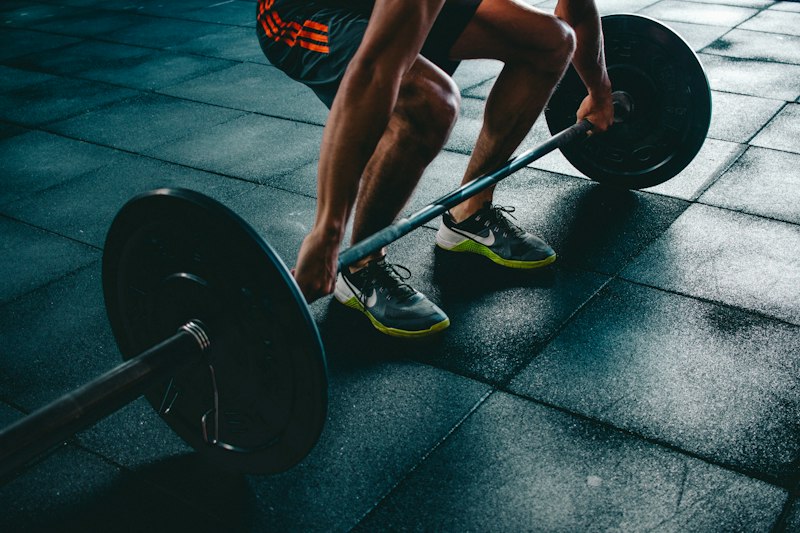
Many beginners believe results come from finding the perfect workout program.
In reality, one principle drives nearly every improvement in strength, fitness, muscle growth, and physical performance:
Progressive overload.
Whether your goal is losing body fat, building muscle, improving health, increasing strength, or simply feeling more capable in daily life, progressive overload is the foundation that makes progress possible.
Without it, the body has little reason to change.
The same workout that feels challenging today will eventually become easier as your body adapts.
When that happens, progress slows.
The solution is not constantly changing exercises or following the newest fitness trend.
The solution is gradually increasing the challenge over time.
This article explains exactly what progressive overload is, why it works, how beginners can use it safely, common myths, and practical examples that can be applied immediately.
What Is Progressive Overload?
Progressive overload is the gradual increase of training demands placed on the body over time.
The concept is simple:
As your body adapts to a challenge, that challenge becomes easier.
To continue improving, you must gradually increase the stimulus.
This principle applies to:
- •Strength training
- •Walking
- •Running
- •Cycling
- •Swimming
- •Bodyweight exercise
- •Sports performance
When the body encounters a challenge greater than what it is accustomed to, it responds by adapting.
These adaptations may include:
- •Increased strength
- •Greater muscular endurance
- •Improved cardiovascular fitness
- •Better movement efficiency
- •Enhanced athletic performance
- •Increased muscle mass
Progressive overload is not about making workouts dramatically harder overnight.
It is about making small improvements consistently.
Why Your Body Adapts
The human body is designed to survive.
One of its greatest strengths is adaptation.
Consider what happens when someone starts a walking program.
Initially:
- •Walking feels difficult
- •Heart rate rises quickly
- •Legs become tired
After several weeks:
- •Walking feels easier
- •Recovery improves
- •Endurance increases
The same process occurs during strength training.
A weight that initially feels heavy eventually feels manageable.
The muscles, nervous system, connective tissues, and cardiovascular system adapt to the demands placed upon them.
Adaptation is positive.
However, adaptation also means the same stimulus becomes less effective over time.
Without increasing the challenge, progress eventually slows.
This is why progressive overload is necessary.
The Science Behind Progressive Overload
Exercise science is built around adaptation.
When training provides sufficient stimulus, the body responds by becoming more capable of handling that stress in the future.
Resistance training can stimulate:
- •Muscle protein synthesis
- •Neuromuscular adaptations
- •Increased force production
- •Improved movement efficiency
Cardiovascular training can stimulate:
- •Increased aerobic capacity
- •Improved oxygen utilization
- •Enhanced endurance
- •Better cardiovascular health
Research consistently shows that gradual increases in training demands support continued adaptation.
The key is balancing challenge and recovery.
Too little challenge produces minimal adaptation.
Too much challenge increases injury risk and may impair recovery.
Progressive overload helps maintain the balance between these two extremes.
Why Progressive Overload Matters for Fat Loss
Many people think progressive overload only matters for bodybuilders.
That is not true.
Progressive overload can play an important role in sustainable fat loss.
As fitness improves, individuals can perform more physical work.
For example:
Week 1:
20-minute walk.
Week 8:
45-minute brisk walk.
Week 1:
Bodyweight squat for 8 repetitions.
Week 12:
Goblet squat with additional resistance.
As strength and fitness increase, energy expenditure potential often increases as well.
Additionally, resistance training helps preserve muscle mass during calorie deficits.
Maintaining muscle mass is important because muscle contributes to overall metabolic health and physical function.
Rather than focusing only on losing weight, progressive overload helps improve body composition.
This means preserving or gaining muscle while reducing body fat.
Why Progressive Overload Matters for Muscle Growth
Muscles grow because they are forced to adapt to increasing demands.
If you repeatedly perform the same exercise with the same effort level for months, muscle growth typically slows.
Progressive overload provides a signal that additional adaptation is needed.
The body responds by strengthening muscles and improving performance capacity.
Many beginners assume muscle growth only occurs when lifting heavier weights.
In reality, several forms of progression can stimulate muscle-building adaptations.
Examples include:
- •Increasing repetitions
- •Adding sets
- •Improving exercise technique
- •Increasing range of motion
- •Slowing exercise tempo
- •Increasing training frequency appropriately
The goal is not simply lifting heavier.
The goal is increasing the overall training stimulus over time.
Five Proven Ways to Apply Progressive Overload
Many people incorrectly believe progressive overload means adding weight every workout.
Weight increases are only one option.
1. Increase Resistance
This is the most obvious strategy.
Example:
Week 1: 10-pound dumbbells
Week 5: 12-pound dumbbells
Week 10: 15-pound dumbbells
Small increases can accumulate into substantial long-term progress.
2. Increase Repetitions
Example:
Week 1: 8 repetitions
Week 2: 10 repetitions
Week 3: 12 repetitions
Increasing repetitions increases training volume and creates additional stimulus.
3. Increase Sets
Example:
Week 1: 2 sets
Week 4: 3 sets
Week 8: 4 sets
Additional sets increase workload without requiring heavier weights.
4. Improve Exercise Technique
Better technique often increases muscular challenge.
Examples include:
- •Controlled movement
- •Full range of motion
- •Better posture
- •Reduced momentum
Improved technique frequently creates greater training quality than simply adding weight.
5. Increase Training Density
Training density refers to performing more work within a similar timeframe.
Examples:
- •Shorter rest periods
- •More efficient workouts
- •Improved work capacity
This can increase fitness while maintaining manageable workloads.
Progressive Overload Without Heavier Weights
One of the biggest beginner misconceptions is believing that heavier weights are required every week.
They are not.
Progressive overload can occur through many variables.
Examples include:
- •Walking farther
- •Walking faster
- •Adding incline
- •Increasing repetitions
- •Increasing sets
- •Improving technique
- •Increasing range of motion
- •Improving exercise control
A beginner can make months of progress without dramatically increasing weight.
This is especially important for individuals focused on long-term consistency and injury prevention.
Progressive Overload Through Walking
Walking provides one of the easiest examples of progressive overload.
Week 1:
20 minutes.
Week 2:
25 minutes.
Week 3:
30 minutes.
Week 4:
35 minutes.
Week 5:
Increase pace slightly.
Week 6:
Add hills or incline.
Each progression increases the challenge and encourages adaptation.
The principle remains exactly the same as resistance training.
Walking can therefore be a powerful tool for improving cardiovascular fitness and supporting fat-loss efforts.
Progressive Overload Through Strength Training
Consider a beginner performing goblet squats.
Week 1:
2 sets of 8 repetitions using 10 pounds.
Week 2:
2 sets of 10 repetitions.
Week 3:
2 sets of 12 repetitions.
Week 4:
3 sets of 12 repetitions.
Week 5:
Increase weight slightly and return to 8 repetitions.
This approach gradually increases challenge while allowing the body time to adapt safely.
The progression may seem small.
However, consistent small improvements often produce the most sustainable long-term results.
Progressive Overload Using Bodyweight Exercises
Bodyweight training follows the same rules.
Push-up progression example:
Wall Push-Up
Incline Push-Up
Knee Push-Up
Standard Push-Up
Decline Push-Up
Each progression creates a greater challenge.
The body adapts accordingly.
Bodyweight squats can also progress through:
- •More repetitions
- •Slower tempo
- •Paused repetitions
- •Single-leg variations
- •Added resistance
The principle remains unchanged.
Progress occurs when challenge increases gradually over time.
How Fast Should Beginners Progress?
One of the most common mistakes beginners make is progressing too aggressively.
Fitness culture often promotes the idea that faster is better.
In reality, sustainable progress usually occurs gradually.
Signs of appropriate progression include:
- •Improving performance
- •Good recovery
- •Consistent motivation
- •Stable exercise technique
- •Manageable soreness
Progress should challenge the body.
It should not overwhelm it.
Remember that adaptation occurs during recovery, not during the workout itself.
Proper recovery allows progressive overload to work effectively.
Signs Progressive Overload Is Working
You do not need dramatic transformations every week to know progress is occurring.
Common signs include:
- •Increased strength
- •Better endurance
- •Improved exercise confidence
- •Faster walking pace
- •Easier daily activities
- •Better workout performance
- •Improved exercise technique
- •Increased work capacity
Many of these improvements occur before major physical changes become visible.
Progress is often happening even when the scale is not changing dramatically.
Common Progressive Overload Myths
Myth 1: You Must Add Weight Every Workout
Reality:
Progressive overload includes many variables.
Weight is only one tool.
Increasing repetitions, improving form, adding sets, and increasing movement quality can all create progress.
Myth 2: More Pain Means More Results
Reality:
Pain is not a requirement for adaptation.
Muscle soreness can occur, especially when beginning a program, but soreness is not a reliable measure of progress.
Consistent performance improvements are more meaningful indicators.
Myth 3: Beginners Need Advanced Programs
Reality:
Most beginners achieve excellent results with simple programs focused on basic movement patterns and gradual progression.
Complexity is not required.
Consistency is.
Myth 4: Cardio Cannot Use Progressive Overload
Reality:
Cardio training follows the same principle.
You can progressively increase:
- •Distance
- •Duration
- •Speed
- •Incline
- •Frequency
Walking, running, cycling, rowing, and swimming can all use progressive overload effectively.
Myth 5: Progress Should Happen Every Week
Reality:
Progress is rarely perfectly linear.
Some weeks produce noticeable improvements.
Other weeks focus on recovery and adaptation.
Long-term trends matter far more than short-term fluctuations.
Common Mistakes That Cause Plateaus
Many people unknowingly prevent progress by making avoidable mistakes.
Repeating the Same Workout Forever
The body adapts.
Without increased challenge, adaptation slows.
Never Tracking Workouts
Tracking allows you to see progress objectively.
Useful metrics include:
- •Weight lifted
- •Repetitions completed
- •Walking distance
- •Workout duration
Without tracking, progression becomes difficult to measure.
Increasing Too Quickly
Large jumps in training load can increase fatigue and injury risk.
Small increases are generally more sustainable.
Ignoring Recovery
Training creates the stimulus.
Recovery allows adaptation.
Poor sleep, inadequate nutrition, and excessive stress can limit progress.
Program Hopping
Many beginners switch programs before giving them enough time to work.
Consistency is usually more effective than constantly seeking a better routine.
Mistakes That Increase Injury Risk
Progressive overload should be gradual.
Some mistakes increase injury risk unnecessarily.
Large Weight Increases
Jumping from one weight to a much heavier load may overwhelm tissues that have not yet adapted.
Poor Technique
Adding difficulty before mastering movement quality can increase stress on joints and connective tissues.
Ignoring Pain Signals
Discomfort associated with effort differs from pain associated with injury.
Persistent pain should not be ignored.
Excessive Training Volume
More is not always better.
Recovery capacity matters.
Inadequate Recovery
The body requires time to repair and adapt.
Without sufficient recovery, performance may decline rather than improve.
Sample Beginner 8-Week Progressive Overload Plan
The following example demonstrates how beginners can progress gradually.
Weeks 1–2
Focus:
Learning technique.
Example:
Goblet Squat: 2 sets of 8 repetitions
Push-Up Variation: 2 sets of 8 repetitions
Walking: 20 minutes
Weeks 3–4
Focus:
Increase repetitions.
Goblet Squat: 2 sets of 10–12 repetitions
Push-Up Variation: 2 sets of 10–12 repetitions
Walking: 25–30 minutes
Weeks 5–6
Focus:
Increase sets.
Goblet Squat: 3 sets of 10 repetitions
Push-Up Variation: 3 sets of 10 repetitions
Walking: 35 minutes
Weeks 7–8
Focus:
Increase resistance modestly.
Goblet Squat: 3 sets using slightly heavier weight
Push-Up Variation: More challenging variation
Walking: 40–45 minutes with increased pace
This progression allows consistent adaptation while keeping risk manageable.
Progressive Overload and Fat-Loss Success
People often focus exclusively on calories when attempting to lose body fat.
While energy balance remains important, fitness improvements matter too.
Progressive overload helps individuals:
- •Maintain muscle during weight loss
- •Improve physical performance
- •Increase activity capacity
- •Improve body composition
- •Build long-term exercise habits
The goal is not simply becoming lighter.
The goal is becoming healthier, stronger, and more physically capable.
Progressive overload supports that objective.
Frequently Asked Questions
What Is the Simplest Definition of Progressive Overload?
Progressive overload is gradually increasing exercise difficulty so the body continues adapting and improving.
Is Progressive Overload Necessary for Weight Loss?
Weight loss can occur without progressive overload.
However, progressive overload helps preserve muscle mass and improve body composition during weight-loss efforts.
How Often Should Beginners Increase Weight?
There is no universal timeline.
Progress depends on exercise experience, recovery, exercise selection, and individual response.
Beginners often progress through repetitions and technique improvements before increasing resistance.
Can Walking Use Progressive Overload?
Yes.
Walking can progress through:
- •Longer duration
- •Faster pace
- •Greater distance
- •Increased incline
What Happens Without Progressive Overload?
Fitness improvements eventually slow because the body no longer receives a sufficient stimulus to adapt further.
Is Progressive Overload Safe?
When applied gradually with proper technique and adequate recovery, progressive overload is considered a fundamental and safe training principle.
Key Takeaways
Progressive overload is one of the most important concepts in fitness.
It applies to:
- •Fat loss
- •Strength development
- •Muscle growth
- •Endurance training
- •General health improvement
The principle is simple:
As your body adapts, gradually increase the challenge.
This challenge can come from:
- •More weight
- •More repetitions
- •More sets
- •Better technique
- •Greater range of motion
- •Increased walking distance
- •Faster pace
- •Improved training quality
Small improvements performed consistently often outperform aggressive approaches that are difficult to sustain.
Conclusion
If there is one fitness principle every beginner should understand, it is progressive overload.
The body changes because it is challenged.
Once that challenge becomes easier, a slightly greater challenge is required to continue progressing.
That does not mean pushing harder every day.
It means gradually doing a little more than before.
Track your workouts.
Focus on good technique.
Recover properly.
Increase challenges slowly.
Over time, these small improvements can produce remarkable results.
Progressive overload is not a fitness hack.
It is the foundation of nearly every successful training program and one of the most reliable paths toward becoming stronger, leaner, healthier, and more physically capable over the long term.
Comments (0)
Share your thoughts and experiences
No comments yet. Be the first to share your thoughts!