
Walking Pad vs Treadmill for Weight Loss: Evidence-Based Beginner Guide
Walking pad vs treadmill: discover the differences in calorie burn, fat loss potential, convenience, cost, and long-term results. Evidence-based guide for beginners choosing the best option for sustainable weight loss.
Click a star to rate
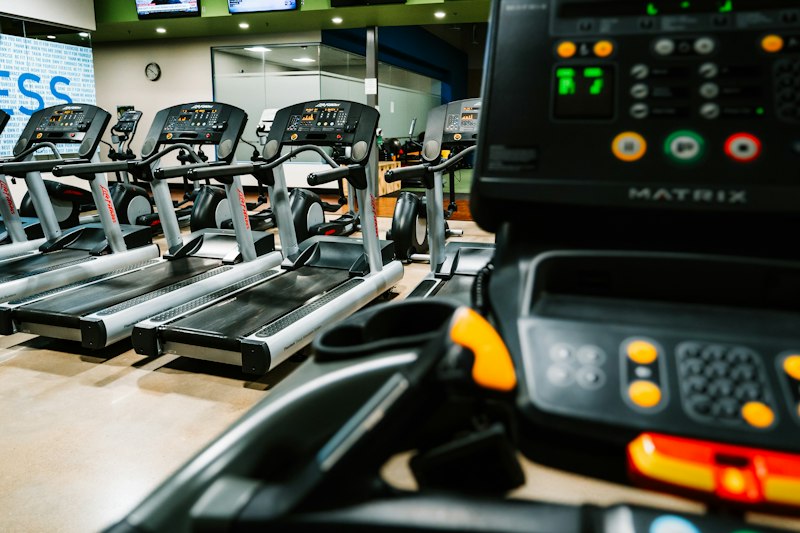
Walking pad vs treadmill is one of the most common questions among beginners starting a weight loss journey.
Many people assume the answer is simple. They believe treadmills are automatically better because they can go faster, support running, and often include incline settings.
The reality is more nuanced.
Both walking pads and treadmills can help support weight loss, cardiovascular health, and overall fitness. The better choice depends on your goals, lifestyle, available space, budget, and most importantly, which machine you will actually use consistently.
Research from major health organizations consistently shows that regular physical activity supports weight management, heart health, metabolic health, and overall well-being. Walking is one of the most accessible forms of exercise and can be effective whether it happens on a walking pad, treadmill, outdoors, or through a combination of approaches.
For beginners focused on fat loss, the biggest factor is often not workout intensity. It is long-term consistency.
This guide explains what current evidence suggests about walking pads and treadmills, common myths, calorie-burning potential, practical advantages, limitations, and how to choose the best option for your situation.
Quick Answer
If your primary goal is sustainable weight loss and increasing daily movement, a walking pad may be the better choice because it makes activity easier to fit into everyday life.
If your goal includes jogging, running, interval training, or higher-intensity cardio workouts, a treadmill is usually the better option.
For many beginners:
- •Walking pads win for convenience
- •Treadmills win for versatility
- •Both can support weight loss
- •Consistency matters more than equipment
The best machine is usually the one you will use most often.
What Is a Walking Pad?
A walking pad is a compact walking machine designed primarily for walking rather than running.
Many models:
- •Fold for storage
- •Fit under desks
- •Operate quietly
- •Require less space than treadmills
- •Focus on low- to moderate-speed walking
Walking pads have become increasingly popular among remote workers, apartment dwellers, and people looking for simple ways to increase daily movement.
Many users walk while:
- •Working
- •Reading
- •Watching television
- •Listening to podcasts
- •Attending virtual meetings
This convenience is one of the biggest reasons for their popularity.
What Is a Treadmill?
A treadmill is a larger cardio machine designed for walking, jogging, running, and structured exercise sessions.
Many treadmills offer:
- •Higher speeds
- •Incline settings
- •Running programs
- •Heart-rate tracking
- •Interactive training features
Treadmills are generally more versatile than walking pads but also require more space and often cost more.
They are commonly used for:
- •Walking workouts
- •Jogging
- •Running
- •Interval training
- •Endurance training
- •Incline walking
Walking Pad vs Treadmill: Key Differences
Size and Space Requirements
Walking pads are significantly smaller.
Many models slide under beds, couches, or desks when not in use.
Treadmills often require a dedicated workout area and may be difficult to move regularly.
Walking Pad Advantages:
- •Small footprint
- •Easy storage
- •Apartment friendly
- •Home office compatible
Treadmill Advantages:
- •Larger walking surface
- •Better stability
- •Supports faster movement
- •More workout options
Noise Levels
Walking pads are typically quieter.
This can be beneficial for:
- •Apartment living
- •Shared spaces
- •Home offices
- •Early morning exercise
Treadmills often generate more noise because of larger motors and higher running speeds.
Speed Capabilities
Most walking pads are designed for walking.
Many models have speed limits that make jogging difficult or impossible.
Treadmills support:
- •Walking
- •Fast walking
- •Jogging
- •Running
- •Sprint intervals
This is one of the biggest distinctions between the two options.
Cost Comparison
Walking pads are often less expensive.
Entry-level walking pads generally cost less than quality treadmills.
However, pricing varies substantially depending on features, durability, motor power, and brand reputation.
Exercise Variety
Walking pads are designed primarily for walking.
Treadmills provide more exercise options including:
- •Incline walking
- •Jogging
- •Running
- •HIIT workouts
- •Endurance training
People seeking maximum exercise variety often prefer treadmills.
Can You Lose Weight With a Walking Pad?
Yes.
A walking pad can absolutely support weight loss.
One of the most common misconceptions is that walking pads are ineffective because they do not support intense workouts.
Current evidence does not support this assumption.
Weight loss occurs when energy expenditure exceeds energy intake over time.
Walking contributes to total daily energy expenditure.
A walking pad can help increase:
- •Daily step count
- •Daily movement
- •Non-exercise activity
- •Overall calorie expenditure
For many beginners, these factors can make a meaningful difference.
The key is consistency.
Walking for twenty to thirty minutes occasionally is less impactful than building a sustainable habit that increases movement day after day.
Understanding NEAT and Why It Matters
One reason walking pads can be effective is their potential impact on NEAT.
NEAT stands for Non-Exercise Activity Thermogenesis.
This refers to calories burned through daily movement outside structured exercise.
Examples include:
- •Walking around the house
- •Household chores
- •Standing
- •Taking stairs
- •Walking while working
Research suggests NEAT can vary dramatically between individuals.
Small increases in daily movement can accumulate over weeks, months, and years.
Walking pads may help increase NEAT because they make movement more convenient and accessible.
For people who spend much of the day sitting, this may be particularly valuable.
Can You Lose Weight With a Treadmill?
Yes.
Treadmills can also support weight loss.
Because treadmills allow higher intensities, they often burn more calories during a single workout compared with casual walking.
Treadmills may be especially useful for people who enjoy:
- •Running
- •Structured workouts
- •Interval training
- •Cardio conditioning
However, higher calorie burn per workout does not automatically mean better long-term results.
Adherence matters.
A treadmill workout that happens consistently is beneficial.
A treadmill that becomes a clothes rack is not.
Walking Pad vs Treadmill for Calorie Burn
Many people want a simple answer about calorie burn.
Unfortunately, calorie expenditure depends on several variables:
- •Body weight
- •Walking speed
- •Running speed
- •Duration
- •Incline
- •Fitness level
In general:
Walking Pad:
- •Lower intensity
- •Lower calories per minute
- •Greater opportunity for longer daily use
Treadmill:
- •Higher intensity potential
- •Higher calories per minute
- •More demanding workouts
A treadmill workout may burn more calories in thirty minutes.
A walking pad may contribute to greater total movement throughout an entire day.
This is why comparing devices solely on calories burned per minute can be misleading.
Myth vs Fact
Myth 1: Walking Pads Do Not Help With Fat Loss
Reality:
Walking pads can contribute to increased physical activity and calorie expenditure.
When combined with appropriate nutrition and consistent use, they can support weight-loss goals.
Myth 2: You Must Run to Lose Weight
Reality:
Walking can support weight management and overall health.
Many successful weight-loss journeys include regular walking as a major component.
Myth 3: Treadmills Are Always Better
Reality:
Treadmills provide more exercise options, but walking pads may improve adherence because they are easier to use regularly.
Myth 4: Walking Is Too Easy to Matter
Reality:
Small amounts of movement performed consistently can add up substantially over time.
Higher daily activity levels are associated with multiple health benefits.
Walking Pad Benefits
Convenience
Convenience is arguably the greatest advantage of a walking pad.
The easier an activity is to perform, the more likely people are to do it regularly.
Reduced Sedentary Time
Many adults spend long periods sitting.
Walking pads may help interrupt prolonged sedentary behavior.
Beginner Friendly
Walking is approachable for most healthy adults.
Many beginners feel intimidated by high-intensity exercise but comfortable starting with walking.
Home Office Integration
A unique advantage of walking pads is their compatibility with standing desks.
This can allow movement during tasks that would otherwise involve prolonged sitting.
Lower Space Requirements
People living in smaller homes or apartments often find walking pads easier to accommodate.
Treadmill Benefits
Greater Workout Variety
Treadmills support multiple exercise styles.
This versatility can reduce boredom and support long-term fitness progression.
Higher Intensity Training
Those interested in running or interval workouts often benefit from treadmill capabilities.
Incline Options
Incline walking can increase exercise intensity without requiring running.
Athletic Performance
Individuals training for races or performance goals often prefer treadmills because they better support structured training plans.
Which Is Better for Beginners?
For many beginners focused primarily on fat loss, walking pads often provide a lower barrier to entry.
Common beginner challenges include:
- •Lack of time
- •Low confidence
- •Inconsistent exercise habits
- •Limited space
Walking pads directly address several of these barriers.
However, beginners who enjoy traditional workouts and have adequate space may prefer treadmills.
The best beginner choice depends on personal preferences rather than a universal rule.
Walking Pad vs Treadmill for Belly Fat
A common question is whether either machine specifically burns belly fat.
No exercise machine can selectively target fat loss from a particular body area.
This concept is often called spot reduction.
Current evidence does not support spot reduction as a reliable fat-loss strategy.
Both walking pads and treadmills can contribute to overall calorie expenditure.
As overall body fat decreases, abdominal fat may also decrease.
The process depends on total energy balance, genetics, nutrition, sleep, and physical activity patterns.
Walking Pad vs Treadmill for Daily Steps
This is one area where walking pads frequently shine.
Many people struggle to reach daily step goals because of:
- •Desk jobs
- •Weather
- •Scheduling challenges
- •Family responsibilities
Walking pads can help overcome some of these barriers.
Users often accumulate steps while performing other tasks, making movement feel less disruptive.
For individuals focused on increasing daily activity levels, this may be a major advantage.
Evidence-Based Recommendations for Beginners
If you are trying to decide between a walking pad and a treadmill, ask yourself the following questions.
Do You Have Limited Space?
If yes, a walking pad is often the easier choice.
Many people simply do not have room for a full-size treadmill.
Do You Want to Run?
If yes, choose a treadmill.
Walking pads are generally not designed for sustained jogging or running.
Do You Work From Home?
A walking pad may fit naturally into your daily routine.
Many users find it easier to accumulate movement while working than to schedule a dedicated workout.
Are You New to Exercise?
Walking pads can be less intimidating.
They encourage movement without requiring complicated workout programs.
Do You Enjoy Structured Workouts?
Treadmills are often a better fit for people who enjoy dedicated cardio sessions.
Real-World Scenarios
Scenario 1: Busy Remote Worker
Profile:
- •Works from home
- •Sits 8 to 10 hours daily
- •Wants to lose weight
- •Limited time for exercise
Best Fit:
Walking pad
Reason:
It can increase daily movement without requiring additional workout time.
Scenario 2: Beginner Focused on General Health
Profile:
- •New to exercise
- •Wants to become more active
- •Limited fitness experience
Best Fit:
Walking pad or treadmill
Reason:
Either option can work well. Preference and consistency should guide the decision.
Scenario 3: Aspiring Runner
Profile:
- •Wants to train for a race
- •Enjoys structured workouts
- •Interested in improving performance
Best Fit:
Treadmill
Reason:
Running and interval capabilities provide greater training flexibility.
Scenario 4: Apartment Resident
Profile:
- •Limited space
- •Noise concerns
- •Wants convenient exercise
Best Fit:
Walking pad
Reason:
Compact size and quieter operation may be more practical.
Walking Pad Pros and Cons
Pros
- •Compact
- •Easy to store
- •Generally quieter
- •Beginner friendly
- •Can be used while working
- •Encourages daily movement
- •Lower barrier to entry
Cons
- •Limited speed range
- •Not ideal for running
- •Fewer workout options
- •Often lacks incline features
- •Smaller walking surface
Treadmill Pros and Cons
Pros
- •Supports walking, jogging, and running
- •More exercise variety
- •Often includes incline settings
- •Better for athletic training
- •Higher intensity potential
Cons
- •Requires more space
- •Usually more expensive
- •Often louder
- •Less portable
- •May feel intimidating for some beginners
How Many Calories Can Walking Burn?
The exact number depends on factors including:
- •Body size
- •Walking speed
- •Duration
- •Fitness level
- •Incline
Generally speaking, faster walking and longer sessions increase calorie expenditure.
Rather than focusing exclusively on calories burned during one session, many experts recommend focusing on total activity across the day and week.
This perspective often leads to more sustainable habits.
How Long Should You Use a Walking Pad?
There is no single perfect duration.
Many beginners benefit from starting with:
- •10 to 20 minutes daily
- •Gradually increasing duration
- •Building consistency first
Some people eventually accumulate:
- •30 minutes daily
- •60 minutes daily
- •Multiple shorter sessions throughout the day
The ideal amount depends on goals, schedule, and fitness level.
How Long Should You Use a Treadmill?
Similar principles apply.
Beginners often start with:
- •20 to 30 minutes
- •Moderate walking pace
- •Gradual progression
As fitness improves, users may incorporate:
- •Incline walking
- •Jogging
- •Running intervals
- •Longer endurance sessions
The best program is one that is sustainable.
Common Mistakes to Avoid
Mistake 1: Buying Based Only on Calorie Burn
Many consumers focus entirely on which machine burns more calories.
Long-term use matters more than theoretical calorie expenditure.
Mistake 2: Ignoring Convenience
Convenience strongly influences adherence.
A machine that fits your lifestyle is often the better investment.
Mistake 3: Starting Too Aggressively
Trying to do too much too soon can lead to burnout.
Building habits gradually is often more effective.
Mistake 4: Expecting Rapid Results
Weight loss typically occurs over time.
Consistent behaviors matter more than short bursts of motivation.
Mistake 5: Neglecting Nutrition
Exercise supports weight management, but nutrition remains a major factor.
No treadmill or walking pad can compensate for dietary habits on its own.
Beginner Walking Pad Plan
Week 1:
- •10 to 15 minutes daily
- •Comfortable pace
- •Focus on consistency
Week 2:
- •15 to 20 minutes daily
- •Add one longer session
Week 3:
- •20 to 30 minutes daily
- •Increase daily step goals
Week 4:
- •Maintain consistency
- •Evaluate progress
- •Adjust goals gradually
This simple progression helps many beginners build confidence.
Beginner Treadmill Plan
Week 1:
- •20 minutes walking
- •Comfortable pace
Week 2:
- •Increase duration slightly
- •Add gentle incline if available
Week 3:
- •Introduce brisk walking intervals
Week 4:
- •Continue progression based on fitness level
The goal is gradual improvement rather than perfection.
Which Option Provides Better Long-Term Results?
There is no universal winner.
Long-term results depend on:
- •Adherence
- •Enjoyment
- •Lifestyle fit
- •Overall physical activity
- •Nutrition habits
- •Sleep quality
For some people, a treadmill's versatility drives long-term success.
For others, a walking pad's convenience creates sustainable daily movement.
The machine itself is not the determining factor.
The habit is.
Decision Checklist
A walking pad may be best if you:
- •Work from home
- •Have limited space
- •Primarily want to walk
- •Want to increase daily steps
- •Prefer convenience
- •Need a beginner-friendly option
A treadmill may be best if you:
- •Want to jog or run
- •Enjoy structured workouts
- •Need incline training
- •Have adequate space
- •Want more exercise variety
- •Are training for performance goals
Frequently Asked Questions
Is a walking pad as effective as a treadmill?
For increasing daily movement and supporting weight-loss efforts, a walking pad can be highly effective. Treadmills provide additional workout options and higher intensity potential.
Can I lose belly fat with a walking pad?
A walking pad cannot specifically target belly fat. However, it can contribute to overall calorie expenditure and support overall fat loss when combined with appropriate nutrition and healthy habits.
Are walking pads worth buying?
Many people find walking pads valuable because they reduce barriers to movement and fit easily into daily routines.
Is a treadmill better than a walking pad?
Not necessarily. A treadmill offers greater versatility, while a walking pad often offers greater convenience.
How many steps should I aim for?
There is no universal step target. Increasing activity relative to your current baseline is often a practical starting point.
Can I use a walking pad every day?
Most healthy adults can perform regular walking activities daily. Individual needs vary, and those with medical concerns should consult a qualified healthcare professional.
Which is better for beginners?
Many beginners prefer walking pads because they are simple, accessible, and easy to incorporate into daily life.
Key Takeaways
- •Both walking pads and treadmills can support weight loss.
- •Walking pads excel at convenience and increasing daily movement.
- •Treadmills excel at workout variety and higher intensity exercise.
- •Consistency matters more than equipment type.
- •Increasing physical activity is beneficial regardless of the device used.
- •The best choice depends on your goals, preferences, space, and lifestyle.
Conclusion
The debate between walking pad vs treadmill does not have a one-size-fits-all answer.
Both options can support healthier habits, increased physical activity, and weight-management goals.
Walking pads may be especially helpful for people who struggle with sedentary lifestyles, limited space, or busy schedules. Their greatest strength is convenience.
Treadmills provide greater versatility and allow users to progress from walking to jogging, running, incline training, and structured cardio programs.
If your primary goal is sustainable fat loss, remember that the most effective exercise machine is usually the one you use consistently.
Focus on building a routine you can maintain for months and years rather than searching for a perfect piece of equipment.
Small amounts of movement performed regularly can add up to meaningful health benefits over time.
Ready to take the next step? Explore our evidence-based walking plans, step-count resources, calorie-burn guides, and beginner weight-loss tools to build a sustainable fitness routine that fits your life.
Comments (0)
Share your thoughts and experiences
No comments yet. Be the first to share your thoughts!