
Why Slow Weight Loss Often Works Better: The Science Behind Sustainable Fat Loss
Learn why slow weight loss often leads to better long-term success. Discover the science behind sustainable fat loss, muscle preservation, healthy calorie deficits, and lasting lifestyle habits with this evidence-based guide.
Click a star to rate
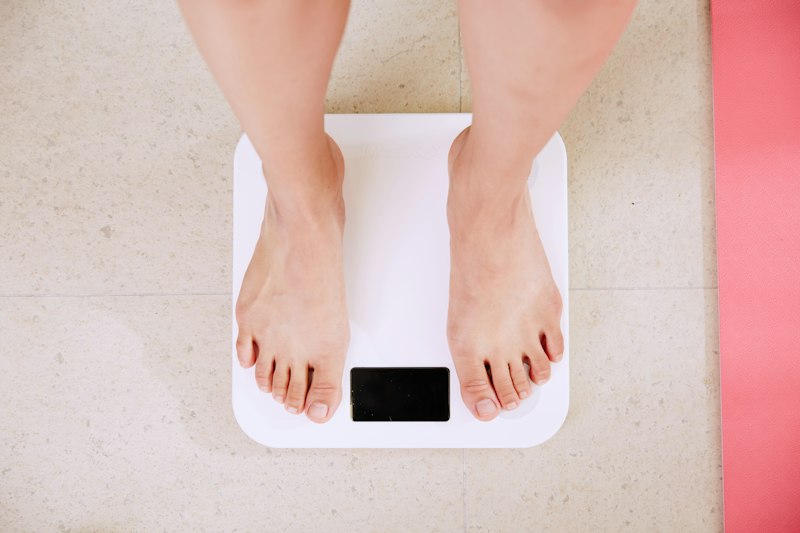
Many people begin a weight loss journey hoping to see dramatic results within just a few weeks. Social media transformations, celebrity diets, and marketing promises often make it seem like rapid weight loss is the only sign of success.
However, evidence from major health organizations consistently suggests that gradual, sustainable weight loss is often easier to maintain than extreme dieting.
Instead of focusing only on the number on the scale, sustainable fat loss emphasizes healthy habits that support long-term health, preserve muscle, and reduce the likelihood of regaining lost weight.
What Is Slow Weight Loss?
Slow weight loss refers to reducing body weight through realistic nutrition and lifestyle changes rather than restrictive dieting.
For many adults, evidence-based recommendations commonly suggest aiming for approximately 0.5 to 2 pounds (0.2–0.9 kg) per week, although individual goals should always be personalized.
This approach typically includes:
- •Balanced meals
- •Moderate calorie deficit
- •Adequate protein
- •Regular physical activity
- •Resistance training
- •Healthy sleep
- •Stress management
Unlike crash diets, slow weight loss prioritizes consistency over perfection.
Weight Loss vs Fat Loss
These terms are often confused.
Weight loss refers to any reduction in body weight.
This can include:
- •Body fat
- •Water
- •Glycogen
- •Muscle
- •Digestive contents
Fat loss specifically refers to reducing body fat while preserving lean muscle.
Preserving muscle supports:
- •Strength
- •Mobility
- •Physical independence
- •Healthy aging
- •Overall metabolic health
Why Crash Diets Often Fail
Crash diets may produce rapid short-term changes, but they are frequently difficult to maintain.
Many highly restrictive eating plans increase feelings of:
- •Hunger
- •Fatigue
- •Food cravings
- •Social limitations
When these diets become unsustainable, many people return to previous eating habits, increasing the likelihood of weight regain.
Building sustainable habits is generally more effective than relying on temporary restrictions.
Slow Weight Loss Helps Build Healthy Habits
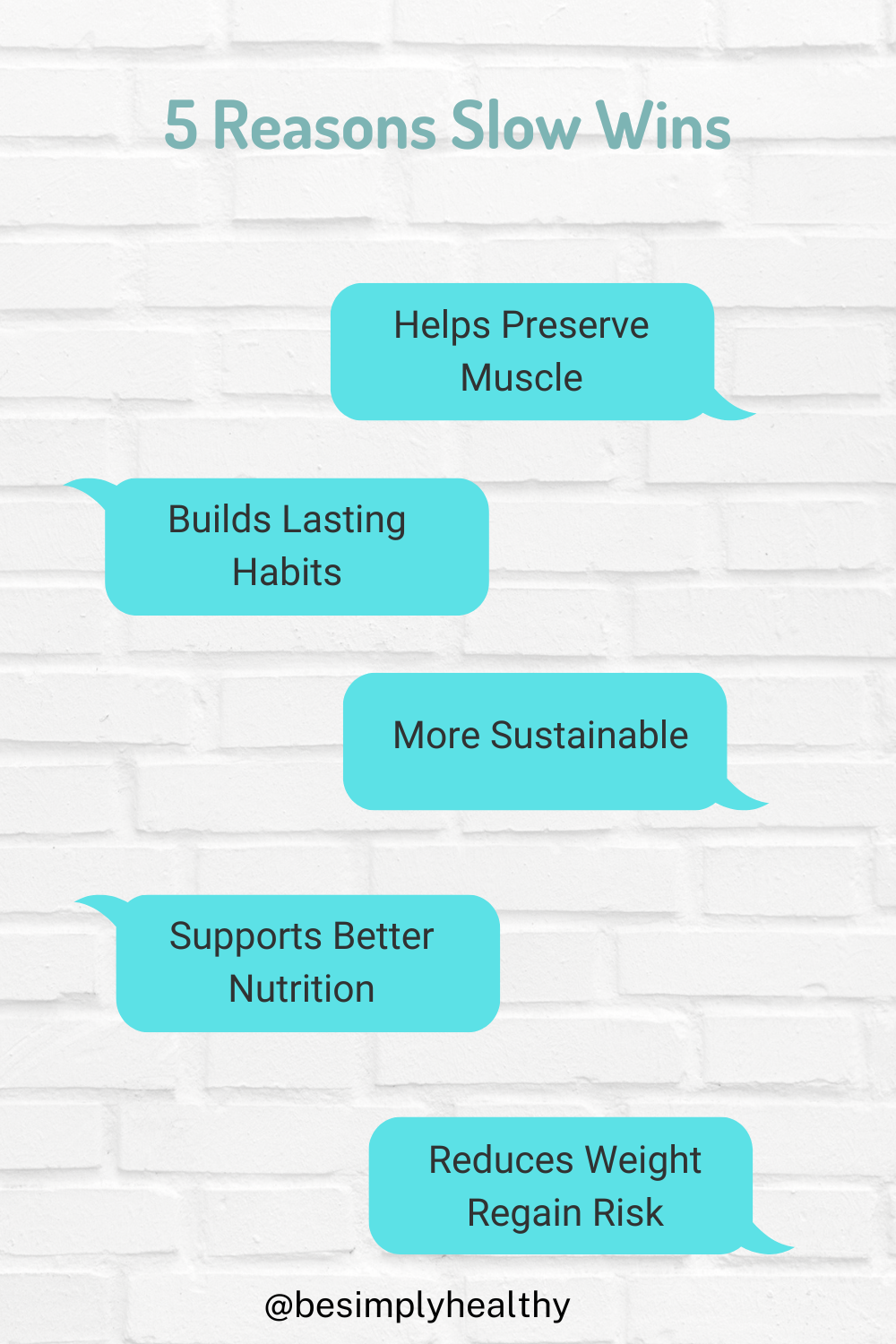
One of the greatest benefits of gradual fat loss is that it allows enough time to develop habits that can continue long after weight loss goals are reached.
Helpful habits include:
- •Walking daily
- •Planning meals
- •Preparing healthy snacks
- •Eating more vegetables
- •Prioritizing protein
- •Drinking enough water
- •Sleeping consistently
Small improvements repeated over months often become automatic routines.
Preserve Muscle During Weight Loss
Losing fat while maintaining muscle supports long-term health.
Two important strategies include:
Eat Enough Protein
Protein supports muscle maintenance during a calorie deficit.
Examples include:
- •Chicken
- •Fish
- •Eggs
- •Greek yogurt
- •Cottage cheese
- •Tofu
- •Beans
- •Lentils
Strength Training
Resistance exercise helps signal the body to maintain lean muscle while body fat decreases.
Beginners can benefit from two or three full-body strength sessions each week.
Your Metabolism Naturally Changes
As body weight decreases, calorie needs also decrease.
This is a normal physiological adaptation and does not necessarily mean your metabolism is damaged.
Instead of searching for metabolism "boosters," focus on:
- •Resistance training
- •Daily movement
- •Balanced nutrition
- •Protein intake
- •Quality sleep
Weight Loss Plateaus Are Normal
Most people experience periods where body weight changes very little.
Possible reasons include:
- •Water retention
- •Smaller calorie requirements
- •Hormonal changes
- •Reduced daily movement
- •Temporary fluctuations
Plateaus do not necessarily mean fat loss has stopped.
Consistency remains important.
Common Myths
Myth: Faster Weight Loss Is Always Better
Reality:
For many people, gradual weight loss is easier to maintain and supports long-term healthy habits.
Myth: The Scale Should Drop Every Day
Reality:
Daily body weight naturally fluctuates because of hydration, sodium, hormones, and digestion.
Weekly trends are generally more meaningful than daily changes.
Myth: You Must Eliminate Carbohydrates
Reality:
Whole grains, fruit, legumes, and vegetables can all fit into a healthy weight-loss plan.
Beginner Action Plan
Week 1
Increase daily walking.
Week 2
Prioritize protein with each meal.
Week 3
Add more fiber-rich foods.
Week 4
Begin resistance training.
Week 5
Improve sleep habits.
Week 6
Review your progress using measurements beyond the scale.
Frequently Asked Questions
Is slow weight loss healthier?
For many adults, gradual weight loss supports sustainable lifestyle changes and long-term maintenance.
How much weight should I lose each week?
Many guidelines recommend approximately 0.5–2 pounds per week for many adults, although individual recommendations vary.
Why did my weight loss slow down?
Weight loss often slows because calorie needs decrease and normal physiological adaptations occur.
Can walking help?
Yes.
Walking is an accessible form of physical activity that supports overall health and can contribute to a calorie deficit when combined with healthy eating.
Conclusion
Slow weight loss is not a sign of failure.
Instead, it often reflects a sustainable approach focused on long-term health rather than temporary results.
Building healthy eating habits, staying physically active, preserving muscle, and remaining consistent are often more valuable than chasing rapid changes on the scale.
Rather than asking how quickly you can lose weight, consider asking what healthy habits you can maintain for years.
Those habits are often the foundation of lasting success.
Comments (0)
Share your thoughts and experiences
No comments yet. Be the first to share your thoughts!